Kilts
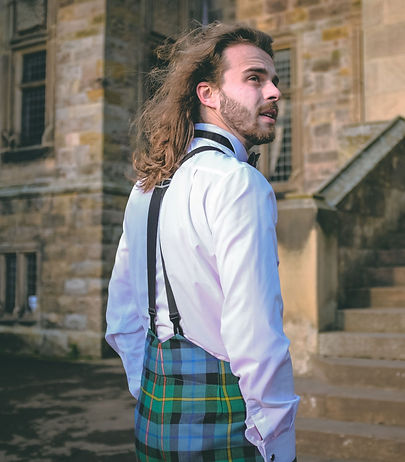
Kilts are a staple of Scottish attire and are worn widely for an array of events, not just a wedding. Kilts are often donned for celebrations, formal events, ceilidhs - sometimes even just a party! (And the occasional person will wear them in everyday life, but that's much less common). Traditionally, many tartans are associated with a family (or a 'clan'). Members of that family associate with the tartan. Some families may not have their own tartan, and traditionally wore a tartan associated with the bigger clan their family were most associated with historically. Historically, in weddings, the handfasting cord(s) might also be made of the tartans of the two houses, and one spouse might be welcomed into the other clan by the pinning of the tartan (usually the clan of highest standing would welcome the spouse from the other clan) at a wedding. Now, while many still choose tartans associated with their family, people are less strictly tied to their own family's tartan, and often choose tartans that match their wedding colours, or ones that they like best. There are also now more tartans for specific professions, areas or pride that people may select.
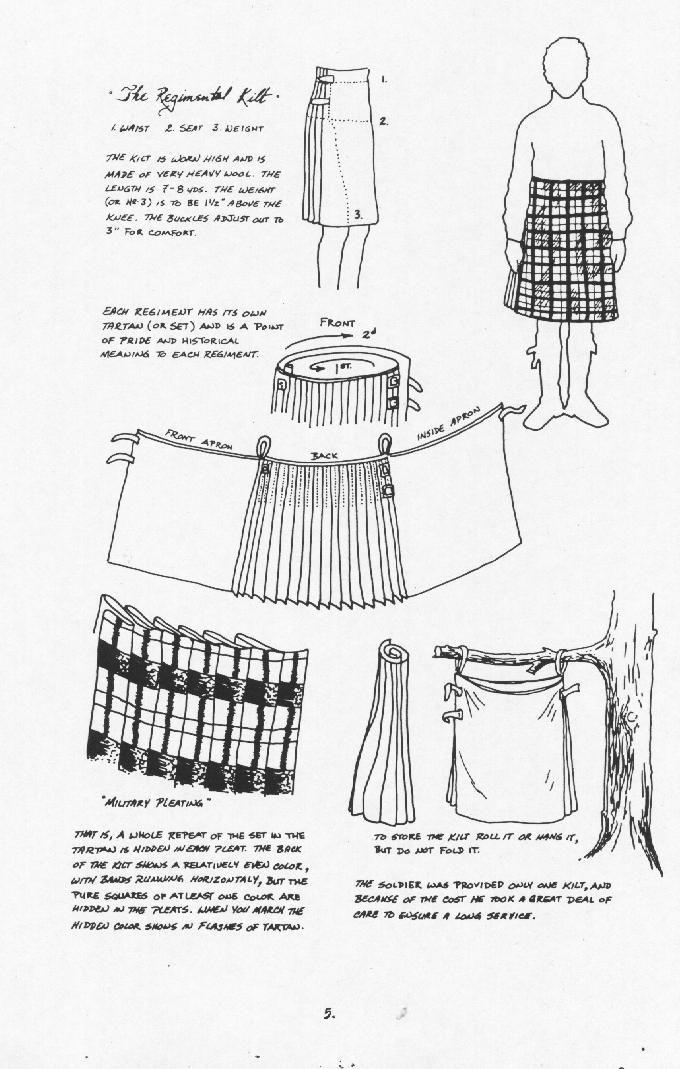
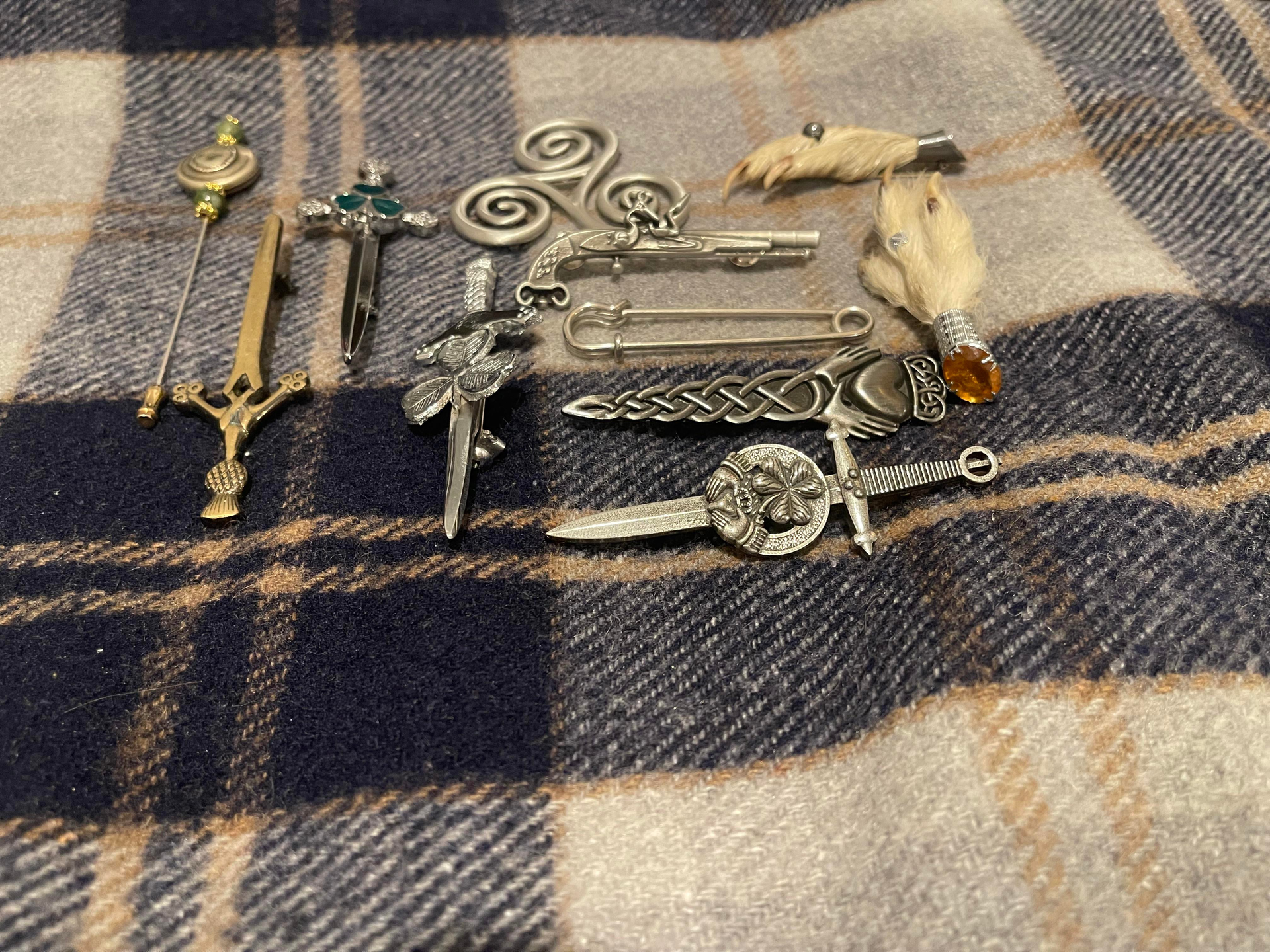
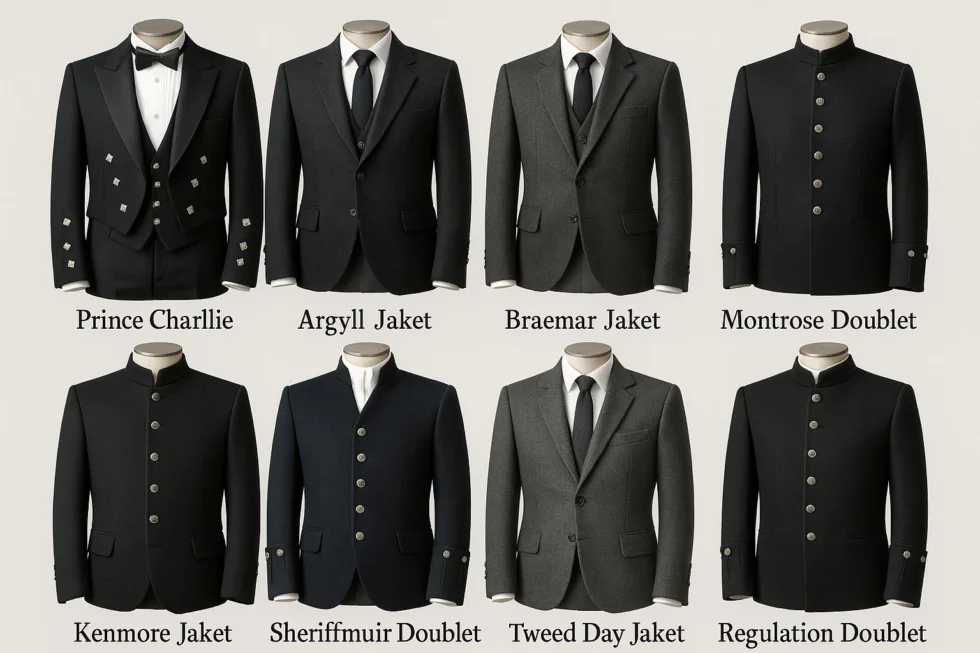
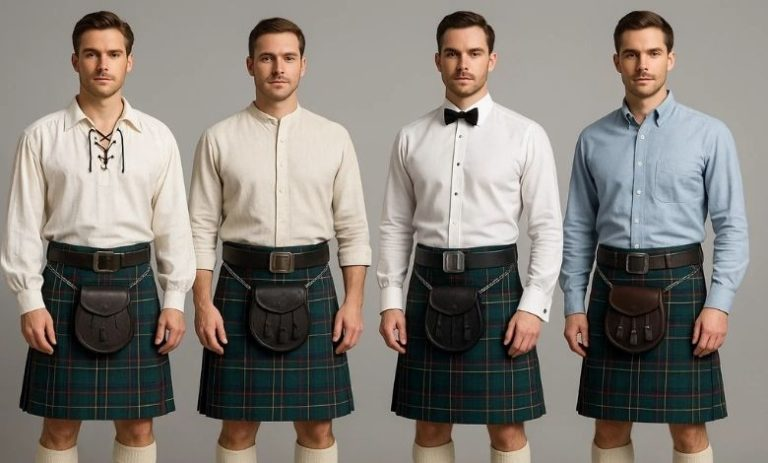
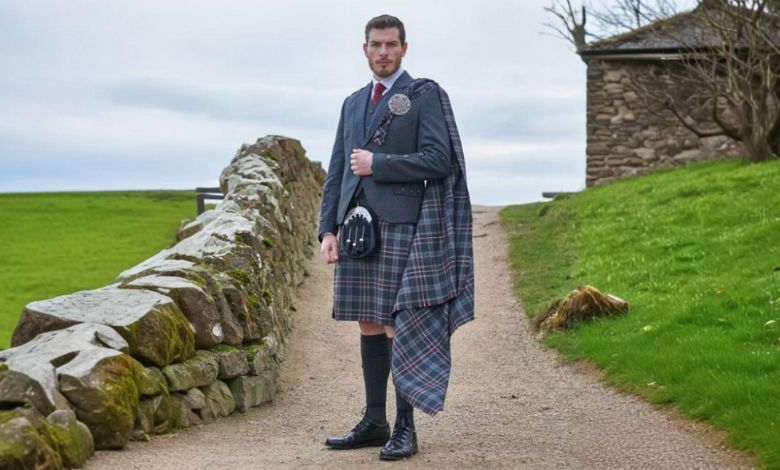
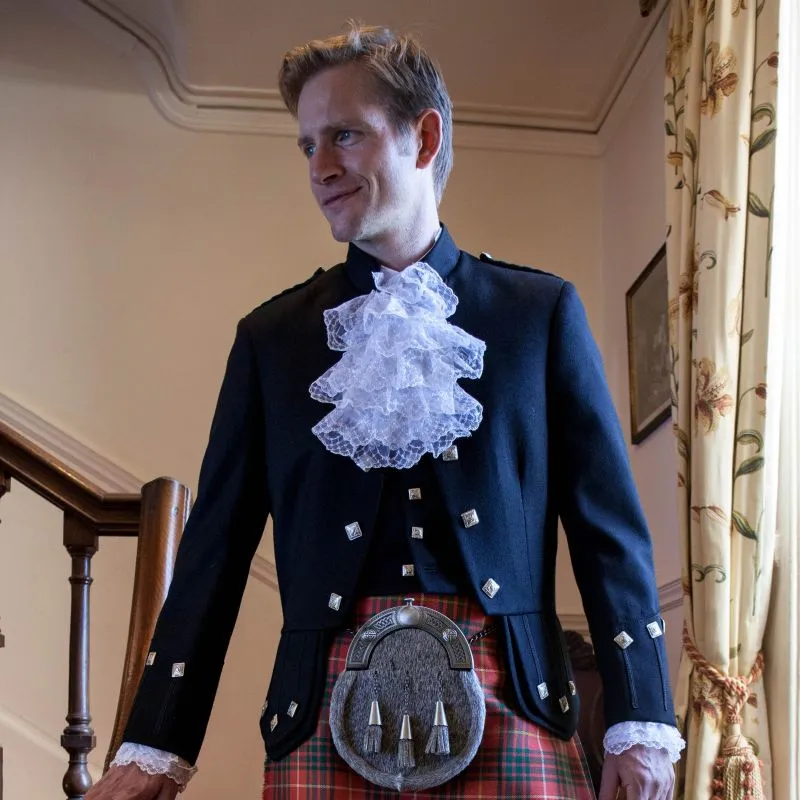
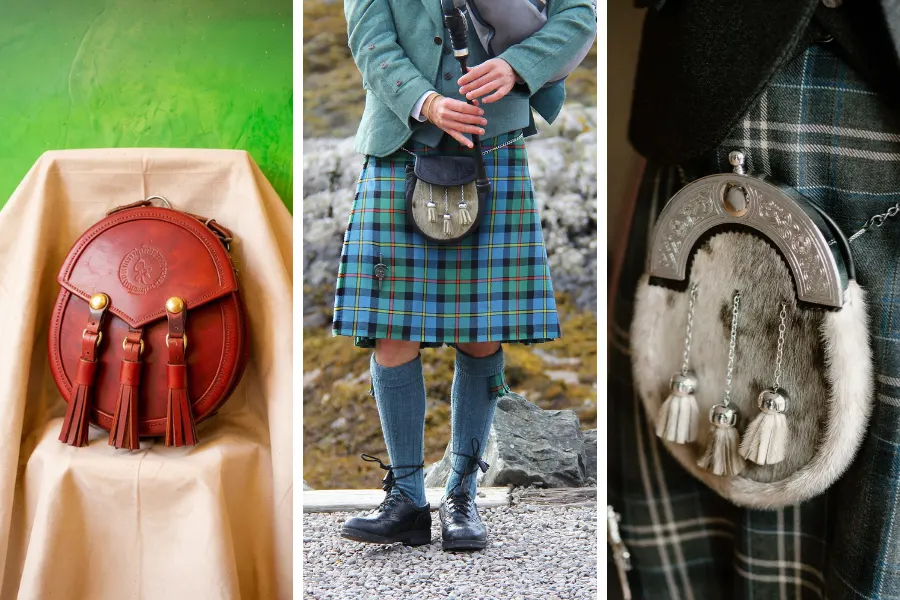
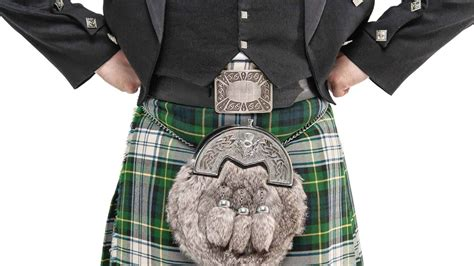
A kilt is a skirt-like garment that is wrapped around the waist. A modern kilt uses around 8 yards of fabric, so they can be weighty and are often warmer than they might look. The formality of a kilt is often dictated by the shirt, tie (if worn), jacket and sporran of the outfit, with a wide range of options available for each.